Why Public Reaction to Patricia Heaton Reflects a Larger Cultural Shift
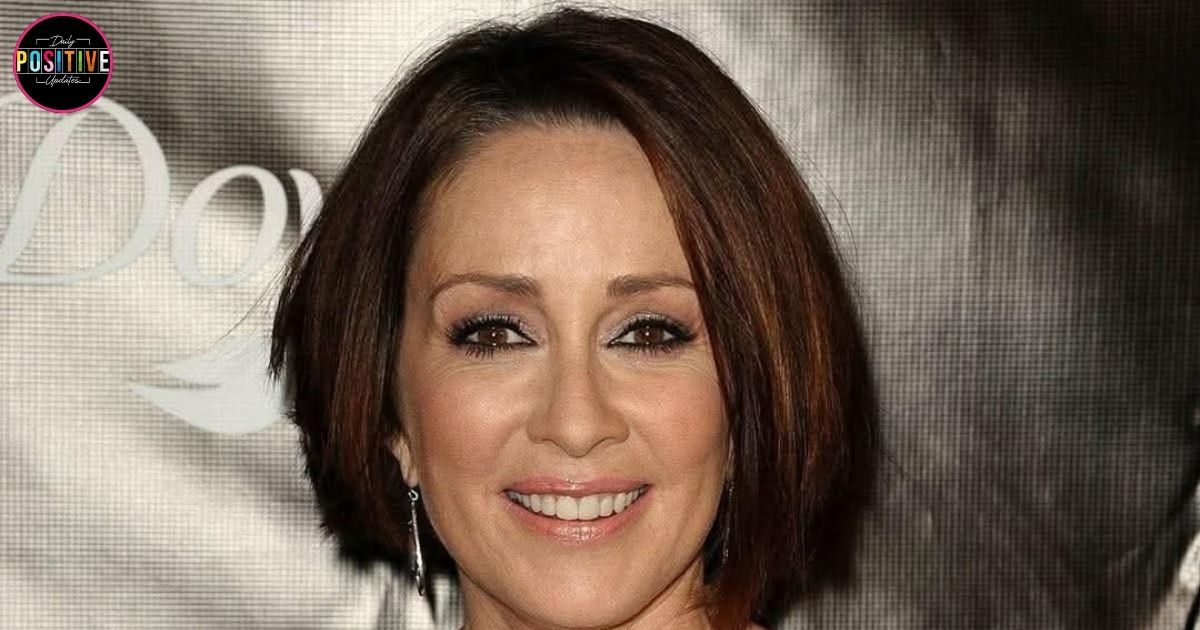
Recent online discussions surrounding Patricia Heaton highlight a familiar pattern in how audiences respond when long-established public images are challenged.
For many viewers, Heaton has been closely associated with roles such as Debra in Everybody Loves Raymond and Frankie in The Middle. These characters helped shape a perception rooted in relatability, stability, and a distinctly maternal presence. Over time, that perception became fixed in the minds of audiences.
When Expectations Clash With Reality
The current reaction, as described in the source material, does not stem from a single moment or image. Instead, it reflects what happens when a public figure steps outside a role that audiences have come to see as definitive.
Viewers often go beyond simply watching performances—they form lasting impressions of the people behind them. This creates an unspoken expectation that actors will remain consistent with the identities audiences associate with them. When that expectation is disrupted, responses can vary widely. Some interpret the shift as confident or empowering, while others view it as unexpected or uncomfortable.
A Broader Pattern in Public Perception
The response also reveals a noticeable imbalance. According to the provided information, male actors frequently transition into new or more complex roles later in their careers without drawing the same level of scrutiny. In contrast, women—particularly those long linked to “safe” or family-oriented characters—often face stronger reactions when redefining their public image.
This dynamic extends beyond any one individual. It reflects broader cultural attitudes related to age, visibility, and the evolving roles of public figures.
Ultimately, the discussion surrounding Heaton illustrates a larger point: public perception of celebrities is not static. While actors continue to evolve, audience expectations may take longer to adjust.