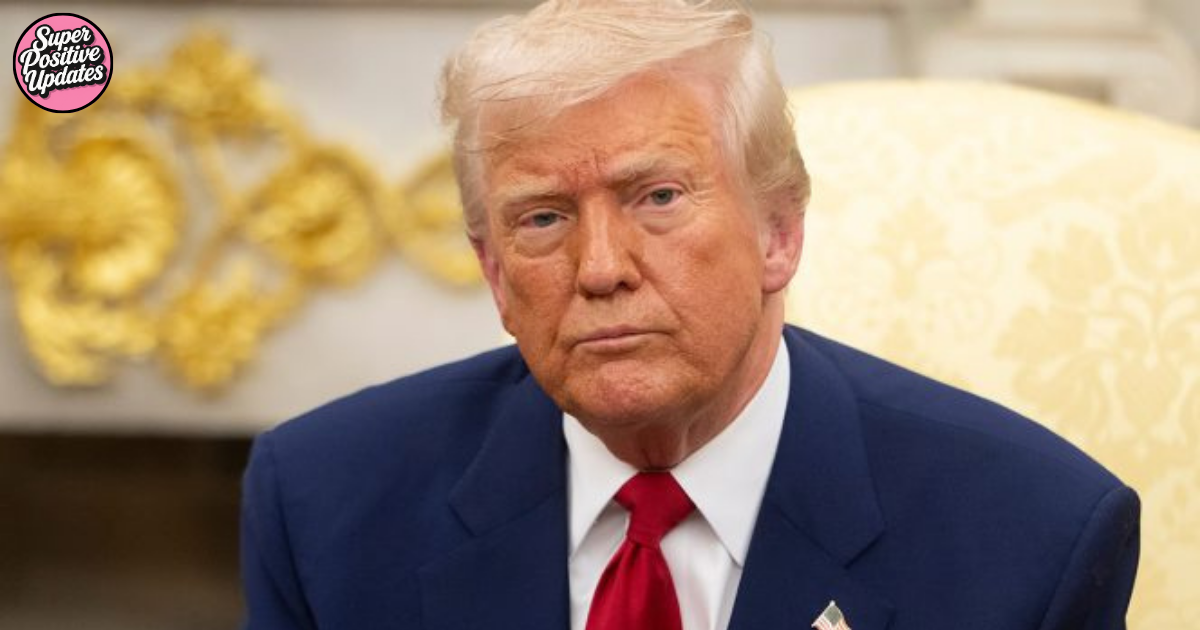
U.S. President Donald Trump issued a sharp response after German Chancellor Friedrich Merz publicly criticized Washington’s approach to the ongoing conflict with Iran, according to reporting from The Guardian and The New York Times.
Merz, speaking to students in Marsberg on April 27, questioned the effectiveness of U.S. strategy, suggesting that American efforts in dealing with Iran lacked direction. As cited by The Guardian, he pointed to stalled diplomatic efforts and described Iranian negotiators as highly skilled at avoiding meaningful agreements.
“The Americans obviously have no strategy,” Merz said, according to The New York Times, adding that conflicts require not only engagement but also a clear plan for resolution. He referenced past U.S. involvement in Afghanistan and Iraq as examples of prolonged conflicts without clear exits.
Merz also characterized the broader situation as damaging, stating that the United States was being “humiliated” in its dealings with Iran.
Tensions Rise Following Diplomatic Setbacks
The remarks come amid stalled diplomatic efforts between the United States and Iran. A planned round of indirect talks in Islamabad was canceled on April 25, while earlier discussions led by Vice President JD Vance reportedly ended without progress.
Despite these developments, Trump expressed confidence in the U.S. position. Speaking to Fox News on April 26, he stated, “We have all the cards. If they want to talk, they can come to us, or they can call us.”
Trump Pushes Back on Criticism
In response to Merz’s comments, Trump posted a strongly worded message on Truth Social, rejecting the German leader’s assessment.
“The Chancellor of Germany, Friedrich Merz, thinks it’s OK for Iran to have a nuclear weapon. He doesn’t know what he’s talking about!” Trump wrote.
He further emphasized the risks associated with Iran obtaining nuclear capabilities, stating that such a scenario would have global consequences. Trump also defended his administration’s approach, arguing that it addresses issues previous leadership had not resolved.
In the same message, he broadened his criticism to include Germany’s current situation, writing that the country is “doing so poorly, both economically, and otherwise.”
Broader Diplomatic Context
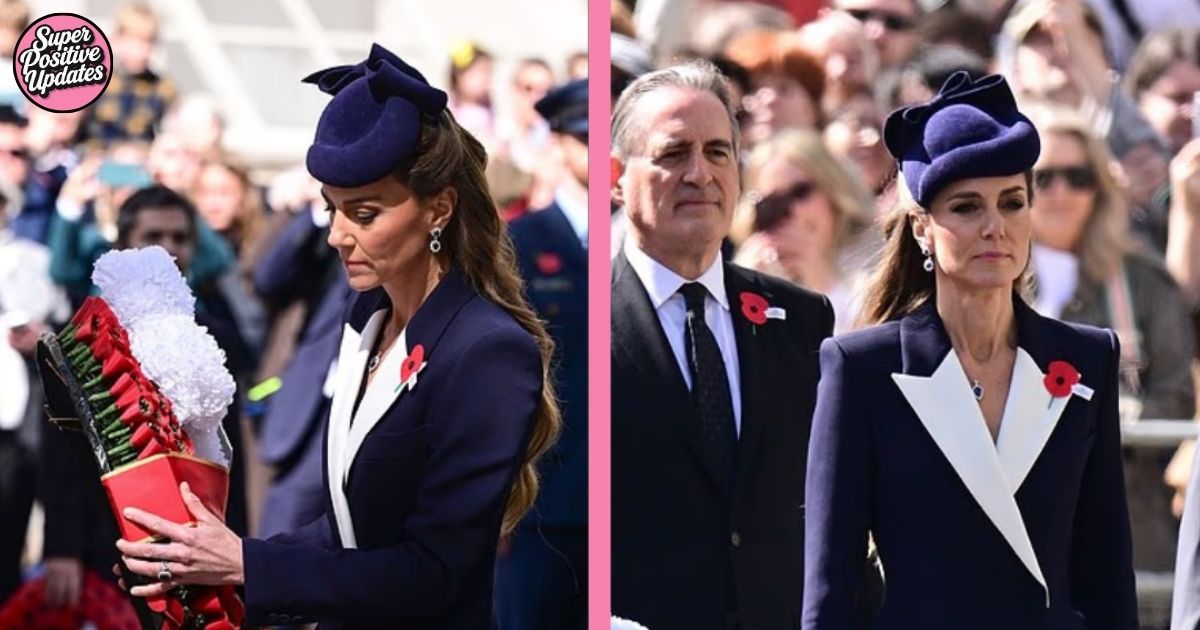
While tensions with some European leaders appear strained, recent interactions with the United Kingdom have reflected a more cooperative tone. During a state visit, King Charles III highlighted the longstanding relationship between the two nations in an address to Congress, describing it as a lasting partnership.
The visit also included a symbolic gesture, with the King presenting Trump a historic bell linked to a British submarine, as reported by The New York Times.