A recent podcast discussion featuring Jessica Tarlov has sparked conversation about the increasing visibility of conspiracy-related beliefs across different political audiences.
Discussion Highlights Shifting Public Perceptions
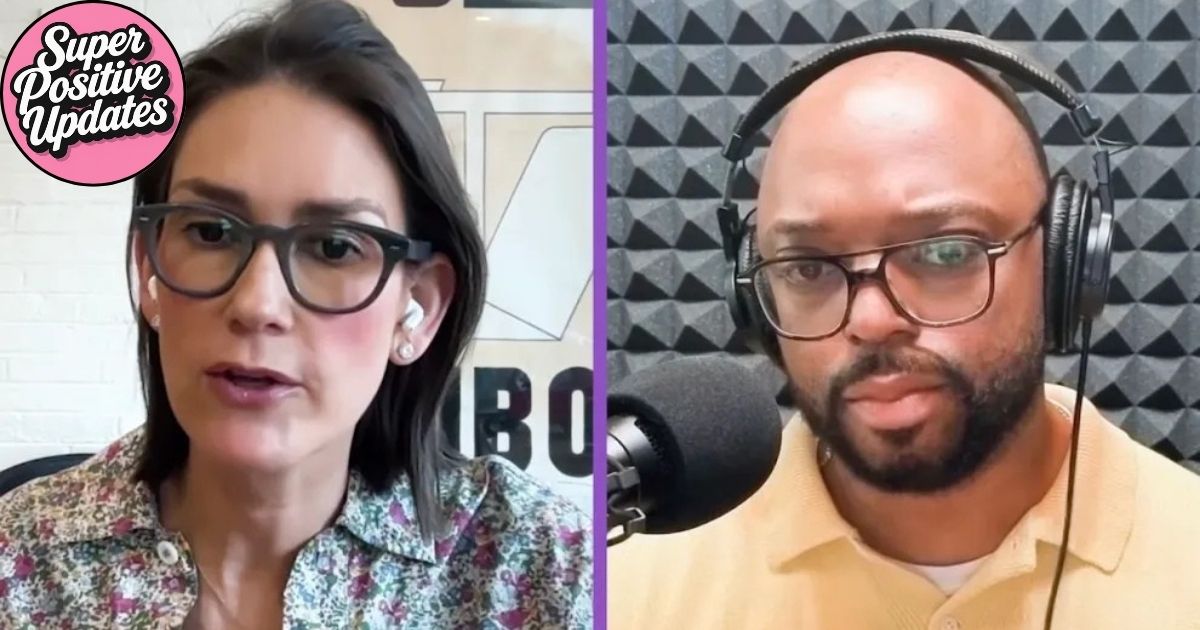
During an episode of her podcast, Tarlov spoke with Astead Herndon about how narratives once considered fringe are becoming more widely discussed. The conversation referenced findings from the Manhattan Institute, which indicated that a portion of respondents in a recent survey expressed belief in claims surrounding major political events.
“It’s a great time to be a nut case,” Tarlov said, describing what she views as a broader trend in how such ideas are spreading.
The discussion also touched on online reactions to recent high-profile incidents, with reporting from The New York Times noting that certain keywords linked to conspiracy claims gained significant traction on social media platforms.
Concerns Over Declining Trust
Herndon, who hosts a political podcast, described the current environment as one where shared understanding is becoming more fragmented.
“It’s wild. I think we’re in a breakdown of shared reality,” he said, adding that the shift has been developing over time rather than emerging suddenly.
According to Herndon, beliefs that were once confined to smaller groups are now appearing more frequently in broader conversations. He referenced past experiences at public events where discussions around election-related claims were openly shared among attendees.
He also noted that while differences remain across political groups, the trend appears to be expanding.
Role of Institutional Trust
A key theme raised during the discussion was the role of declining confidence in traditional institutions. Herndon suggested that reduced trust in established media and systems may contribute to the rise of alternative interpretations of events.
“I think it’s somewhat a function of our institutional trust loss,” he said.
Tarlov added that political dynamics may also play a role, suggesting that some public figures may be hesitant to challenge certain narratives due to potential reactions from supporters.
The conversation reflects ongoing debate about how information is consumed and interpreted in today’s media environment, as well as the factors shaping public opinion across different segments of society.