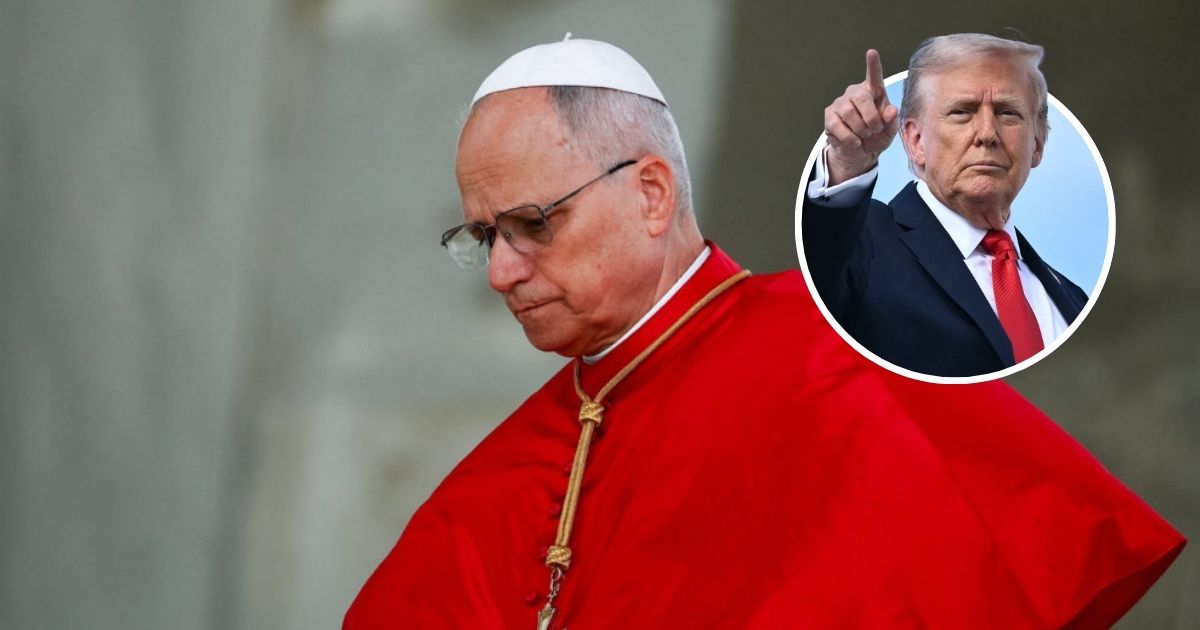
The international focus has shifted toward a developing dynamic between the Vatican and the United States, defined not by direct confrontation but by subtle differences in tone, priorities, and public actions.
At the center of this attention is Pope Leo XIV, whose early leadership decisions have suggested a measured distance from the current political environment in Washington. While expectations initially pointed toward closer alignment, recent developments indicate a more reserved approach.
A Subtle Divide in Priorities
The contrast appears to stem from differing areas of emphasis. On one side is a focus on governance, including themes such as national security, border control, and state interests. On the other is a framework grounded in moral consideration, highlighting compassion, restraint, and attention to vulnerable populations.
These perspectives are not inherently incompatible. However, when each is prioritized differently, distinctions become more apparent.
Pope Leo XIV has directed his attention toward migrant communities and regions affected by conflict, treating these issues as central rather than symbolic. This approach reflects a view that leadership—particularly within a spiritual context—is defined by engagement with those experiencing hardship.
One of the most discussed aspects of this dynamic is the absence of a visit to the United States. While travel decisions alone do not define policy, their timing and context can carry broader meaning. The decision not to return to his country of origin has prompted varied interpretations.
Some observers view the absence as an indication of disagreement, while others interpret it as an expression of independence. In diplomatic contexts, actions not taken can carry significance alongside those that are.
Communication between Washington and the Vatican is reported to be ongoing, though without overt displays of closeness. This type of interaction is not unusual when political and spiritual leadership operate within the same global space but follow different priorities.
The situation does not currently suggest escalation. Public messaging from both sides remains measured, and actions appear deliberate rather than reactive. This restraint, in itself, has become a notable aspect of the relationship.
Rather than signaling conflict, the current dynamic may reflect a balance in which differing approaches are maintained without being forced into alignment. It highlights how leadership, whether political or spiritual, can diverge while continuing to coexist within shared global concerns.
Ultimately, shared background or nationality does not ensure a unified direction. The evolving relationship between the Vatican and the United States illustrates how distinctions in focus and responsibility can shape outcomes without the need for open disagreement.