Newly uncovered records are shedding light on a little-known chapter of American history—one in which concerned parents sought help from federal authorities to keep an eye on their own teenage children during a period of intense social change.
According to research by historian Aaron G. Fountain Jr., documents obtained through Freedom of Information Act requests reveal that, during the 1960s and early 1970s, some parents actively contacted the Federal Bureau of Investigation to report concerns about their children’s political involvement.
When Teenage Activism Sparked National Concern
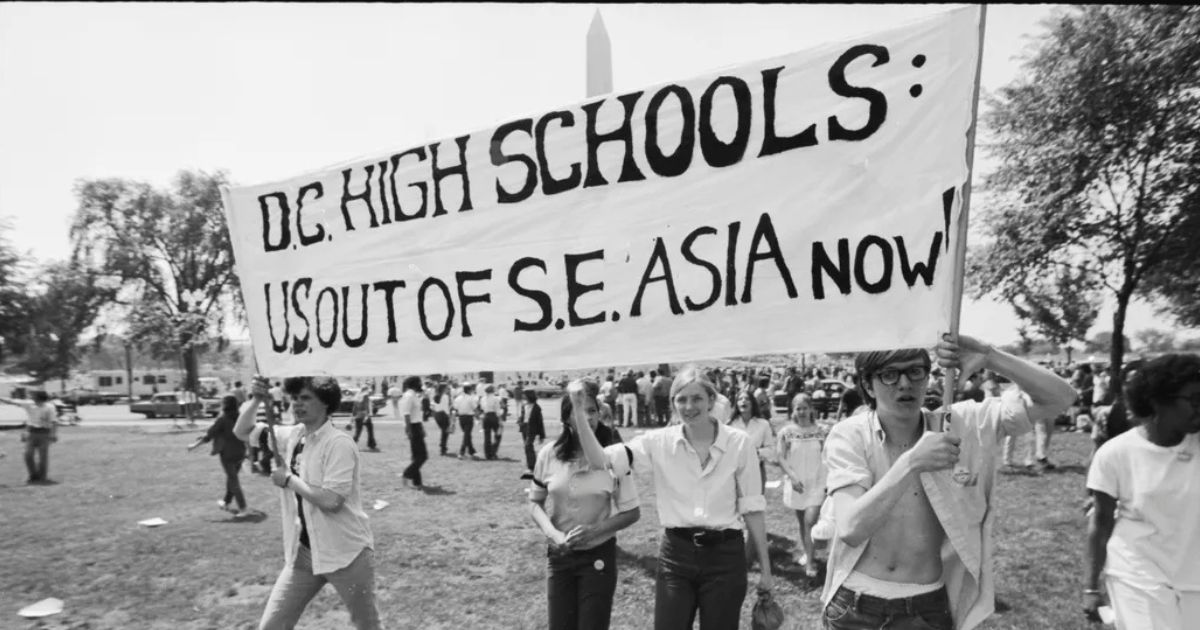
At the height of the Vietnam War and civil rights movement, high school students across the United States became increasingly engaged in political activism. Many organized protests, formed student unions, and advocated for changes in education and public policy.
For some families, however, this shift raised alarm.
In March 1969, a North Carolina mother wrote directly to J. Edgar Hoover, expressing concern about her teenage son’s involvement in a student organization. In her letter, she questioned whether young people had the maturity to navigate what she perceived as outside political influence and asked whether the FBI could intervene.

Her request did not go unnoticed. Hoover responded and forwarded the correspondence to a field office with instructions to assess the situation further.
A Pattern Across the Country
This was not an isolated case.
Records indicate that similar outreach occurred nationwide, with parents sharing information about student groups, meetings, and materials. Some feared that external organizations were influencing their children’s beliefs, while others believed federal authorities could help prevent potential risks.
In certain instances, parents provided detailed observations or encouraged their children to gather information about meetings and participants. These actions reflected a broader atmosphere of concern during a time marked by protests, social movements, and generational divides.

Surveillance Extends to Schools
The documents also show that authorities monitored student activism closely. Federal and local agencies tracked protests, underground student publications, and organized demonstrations taking place in high schools.
This attention coincided with growing public debate over student rights. A landmark example was the Tinker v. Des Moines decision, which affirmed that students do not lose their right to free speech at school, provided their actions do not disrupt educational activities.
A Complex Moment in American History
While some viewed student activism as a natural extension of democratic participation, others saw it as a source of instability. For many parents, turning to federal authorities represented an attempt to protect their children in uncertain times.
The records reviewed by Fountain reveal that the FBI monitored more than 100 independent student groups and numerous protests during this period. They also highlight how institutions, families, and young people navigated a rapidly changing social landscape.

Today, these findings provide insight into how fear, activism, and authority intersected during one of the most turbulent decades in modern U.S. history.