Chickpeas, widely known as garbanzo beans, continue to be recognized as a versatile and nutrient-rich food used across global cuisines, from hummus in the Middle East to traditional dishes in India and the Mediterranean.
According to reporting by The Epoch Times, nutrition experts emphasize that chickpeas offer more than just plant-based protein, pointing instead to their overall nutritional profile as a key reason for their growing popularity.
“What sets chickpeas apart from other legumes isn’t any single nutrient; it’s the combination,” recipe developer Kara Brown told The Epoch Times.
Chickpeas provide a balanced mix of dietary fiber, protein, folate, and iron. A one-cup serving of cooked chickpeas contains approximately 12.5 grams of fiber and about 11 grams of protein. They also supply a significant portion of daily folate needs and contribute to iron intake, particularly for individuals following plant-based diets.
Combined Nutrients Linked to Multiple Health Benefits
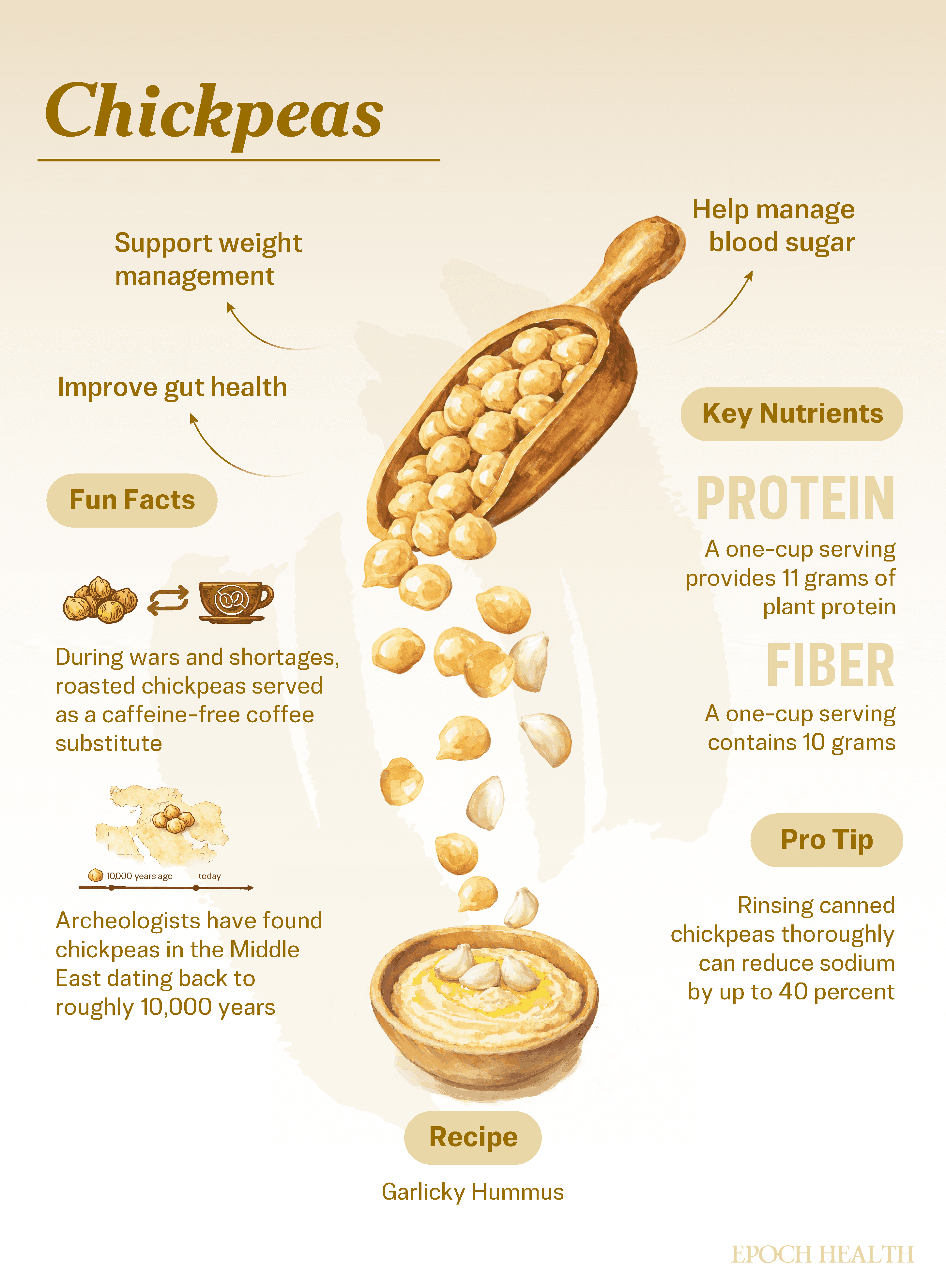
Experts note that this combination of nutrients may support several aspects of health. Registered dietitian Talia Follador explained to The Epoch Times that chickpeas can help individuals feel full longer due to their mix of fiber, protein, and carbohydrates, which slows digestion.
Research cited by The Epoch Times indicates that diets including pulses such as chickpeas have been associated with modest weight loss, even without intentional calorie restriction. Additional findings suggest that chickpeas may reduce appetite and overall calorie intake when compared with refined carbohydrate foods.
Digestive health is another area where chickpeas may play a role. Their fiber content, along with naturally occurring prebiotic compounds, supports beneficial gut bacteria. As these compounds are broken down in the digestive system, they produce substances that help maintain a healthy gut environment.
Chickpeas have also been linked to blood sugar management. Their low glycemic index allows carbohydrates to be absorbed more gradually, helping to avoid sharp increases in blood glucose levels. Dr. Meena Malhotra told The Epoch Times that chickpeas can be considered “a very good carb option,” particularly for individuals concerned about metabolic health.
In addition, studies referenced in the report suggest that chickpeas may contribute to lower cholesterol levels and support blood pressure regulation, due in part to their fiber content and the presence of minerals such as magnesium and potassium.
Experts also note that combining chickpeas with vitamin C-rich foods may improve iron absorption, while proper soaking and cooking methods can enhance nutrient availability.
Chickpeas are generally well tolerated, although gradual introduction into the diet is recommended for those sensitive to high-fiber foods. Standard preparation techniques such as soaking, cooking, or canning help reduce compounds that may interfere with nutrient absorption.
Recipe
Hummus is a plant-based, protein-packed snack that comes together quickly with minimal cleanup. The addition of lemon juice helps enhance iron absorption and softens the chickpeas’ natural earthiness. For a smoother texture, you can peel the chickpeas, though it’s not necessary.
Garlicky Hummus
Yield: 2 to 2½ cups
Ingredients
- 3 to 4 cloves of garlic (depending on size)
- 2 cans chickpeas, rinsed and drained (save 2 to 4 tablespoons of the liquid from the can)
- ⅓ cup tahini
- Juice of two lemons
- ½ teaspoon salt
- 2 tablespoons extra virgin olive oil
Directions
- Add garlic cloves to a food processor and process until finely minced.
- Add chickpeas to a food processor along with 2 tablespoons of reserved liquid, followed by the tahini, lemon juice, and salt.
- Process until combined. Then, with the machine running, slowly drizzle in the olive oil until smooth. If needed, add more reserved chickpea liquid, one tablespoon at a time, until the desired consistency is reached.
- Taste and adjust salt or lemon as needed before serving.
With a history dating back thousands of years, chickpeas remain a staple food that continues to be supported by modern nutritional research, offering a practical and accessible option for those seeking to improve their diet.