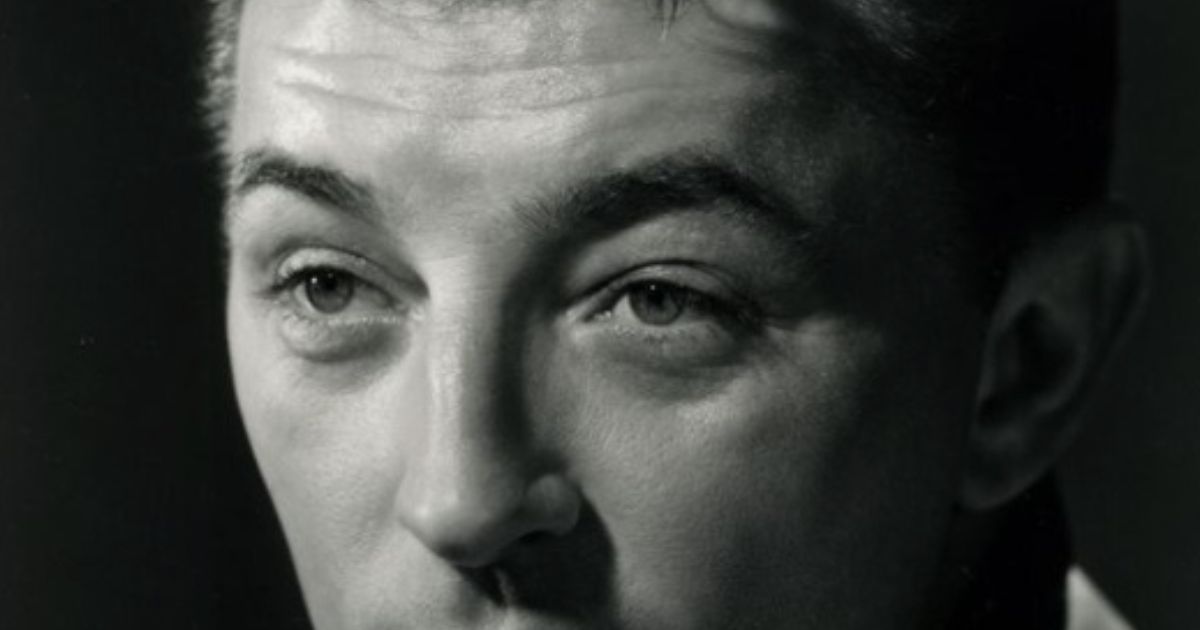
Robert Mitchum: The Cool, Rebellious Icon of Classic Hollywood
Robert Mitchum stands as one of the most recognizable figures from Hollywood’s golden age, remembered for his distinctive deep voice, rugged charm, and natural screen presence that required little effort to captivate audiences.
Born on August 6, 1917, in Bridgeport, Connecticut, Mitchum experienced a difficult youth marked by frequent run-ins with the law and periods of drifting across the country. These early challenges later influenced the tough, rebellious characters he portrayed throughout his acting career. After taking on various odd jobs, he gradually entered the world of acting, beginning with minor parts before establishing himself in Hollywood during the 1940s.
Mitchum rose to prominence in the film noir genre, where he specialized in playing morally complex and hardened individuals. His breakthrough performance arrived in the 1944 war film Thirty Seconds Over Tokyo, but it was his role in the 1947 classic Out of the Past that confirmed his status as a leading actor. With his signature sleepy-eyed and relaxed demeanor, he became ideally suited for noir stories and helped define the antihero archetype in American cinema. He further strengthened his reputation through notable appearances in The Big Steal (1949), His Kind of Woman (1951), and Angel Face (1953).
A Versatile Career Across Genres
While film noir remained central to his image, Mitchum demonstrated considerable range by taking on roles in westerns, war films, and thrillers. One of his most memorable and unsettling performances came in the 1955 film The Night of the Hunter, in which he portrayed a menacing preacher — a character often cited as one of cinema’s most disturbing villains. He delivered another intense antagonistic role in the 1962 thriller Cape Fear. At the same time, he showcased more subtle acting in films such as Heaven Knows, Mr. Allison (1957) and Ryan’s Daughter (1970).
Away from the camera, Mitchum was recognized for his independent spirit and criticism of the traditional Hollywood studio system. In 1948, he served time in jail following a marijuana possession charge, an event that did little to harm his professional standing. His carefree and defiant personality only enhanced his enigmatic reputation within the industry. Despite this rebellious image, he maintained a consistent work ethic, appearing in films for many decades and later moving into television roles.
Robert Mitchum’s influence continues to be felt among film enthusiasts. His combination of effortless cool and the ability to add complexity to even the most hardened characters established him as a true legend of classic Hollywood cinema.