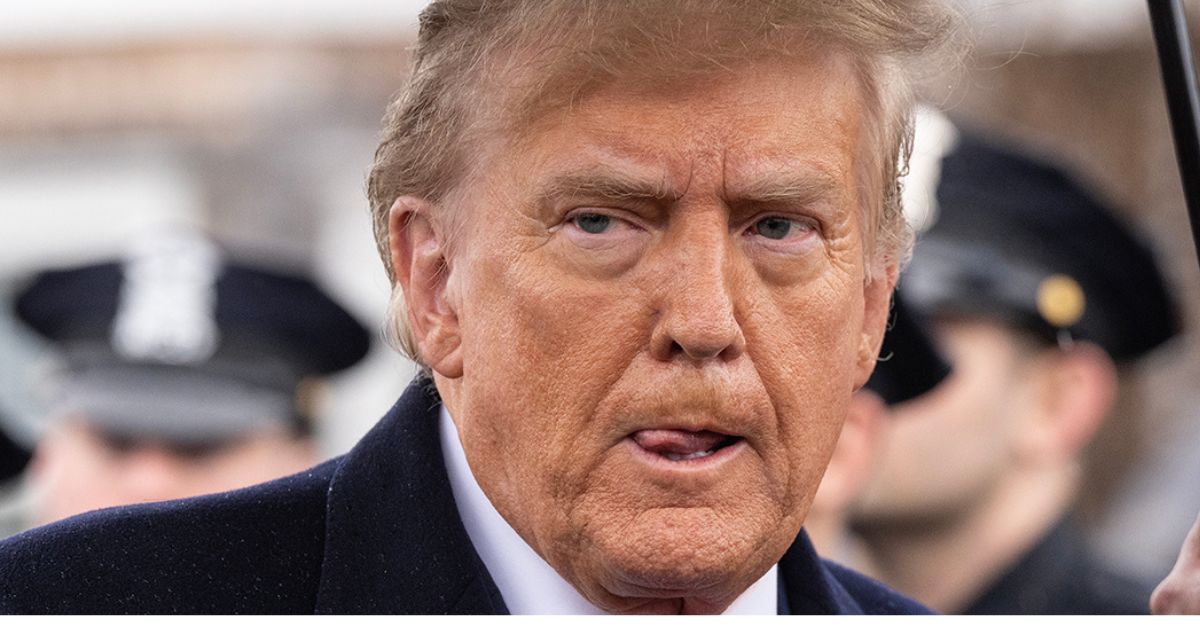
Just moments after publicly criticizing Pope Leo XIV, Donald Trump shared an AI-generated illustration on Truth Social. The post featured no caption.
The image portrayed Trump wearing flowing white and red robes, with glowing hands resting on the forehead of a man lying in a hospital bed. The composition echoed traditional artistic representations of Jesus performing healing acts.

The timing of the post followed Trump’s description of the pope as “weak on crime” and “terrible for foreign policy.” The pontiff, identified in this context as the first American-born leader of the Catholic Church, had recently spoken against escalating tensions in the Middle East, specifically the U.S.-Israeli conflict involving Iran. He condemned what he called “absurd and inhuman violence” and responded to the criticism by stating, “I have no fear of the Trump administration, or speaking out loudly of the message of the Gospel.”
Layers of Symbolism in the Illustration
Beyond the central figures, the AI-generated image included a doctor, a praying woman, and a uniformed soldier observing the scene in apparent awe. The background incorporated American symbols such as the Statue of Liberty, a structure resembling the Lincoln Memorial, fighter jets, and fireworks. This combination created a visual fusion of national identity and spiritual authority.
Reactions on social media divided sharply. Critics labeled the post inappropriate and provocative, citing its use of religious imagery traditionally reserved for sacred figures. Supporters described it as satire or a bold symbolic statement in line with Trump’s established communication approach.

The incident reflects a broader pattern. Trump has previously posted AI-generated or stylized images of himself in roles such as a monarch and in other cinematic or historical references. After the death of Pope Francis, he shared an image showing himself in papal attire, which also drew criticism from religious communities.
The event has renewed discussion about the appropriate use of symbolic imagery by political figures, especially when it intersects with religion. In a digital landscape shaped by memes and AI content, the central question remains at what point provocative messaging moves beyond strategy and into more significant consequences for public discourse.