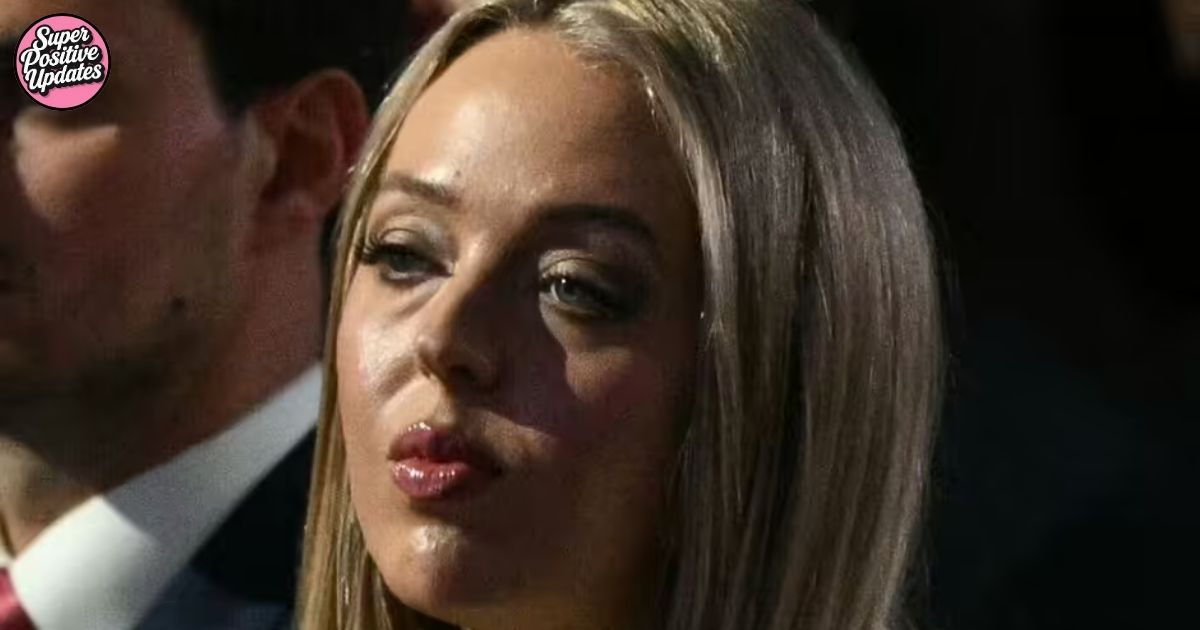
The 32-year-old appeared at the April 28 event, hosted by Donald Trump and Melania Trump in honor of King Charles III and Queen Camilla, wearing a pastel yellow strapless gown. The appearance quickly drew attention across social and media platforms.
Fashion Choice and Protocol Discussion
A recent state dinner at the White House has generated discussion not only for its diplomatic significance, but also for the fashion choices of attendees—including Tiffany Trump.
Tiffany Trump’s gown featured a sweetheart neckline and pleated bodice, paired with a floor-length skirt. She completed the look with minimal accessories, including a statement necklace, while her hair was styled in sculpted curls. She was also photographed alongside her husband, Michael Boulos, who wore a traditional black tailcoat and white bow tie in line with white-tie expectations.

The outfit prompted debate due to its strapless design. While such styles are not strictly prohibited, they are often viewed as less typical for highly formal royal events, where more traditionally modest silhouettes have historically been favored.

Similar observations were made regarding Melania Trump’s attire, as she also opted for a strapless gown during the same event, contributing to a broader conversation about how modern interpretations of formalwear align with long-standing traditions.
Context of the Event
The state dinner formed part of a multi-day visit by King Charles III and Queen Camilla to the United States. The occasion followed traditional white-tie guidelines, considered the highest level of formal dress.
As outlined in fashion and etiquette references, white-tie dress typically includes formal evening wear such as tailcoats, white bow ties, and structured gowns, often accompanied by decorations or insignia reflecting honors.
Broader Public Reaction
Public response to Tiffany Trump’s appearance has been mixed. Some praised the look for its simplicity and elegance, while others questioned whether it aligned with expectations for such a formal diplomatic setting.
The discussion reflects a recurring theme at high-profile events, where personal style choices intersect with tradition, often becoming part of a wider cultural conversation beyond the event itself.