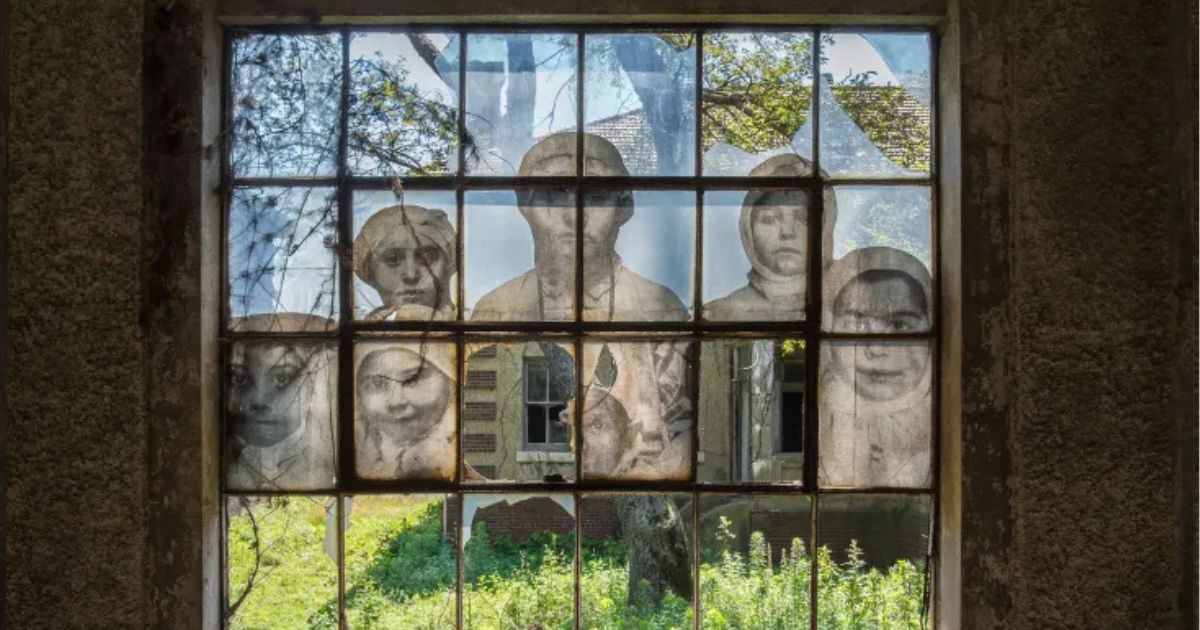
Forgotten Chapter of Ellis Island Hospital Draws Renewed Attention as Preservation Efforts Continue
A historic medical complex once central to the American immigration experience is now at the center of renewed preservation efforts, as advocates warn that a significant part of the nation’s past risks being lost.
Located within Ellis Island, the hospital complex treated approximately 276,000 patients between 1892 and 1951. Despite its role in processing and caring for immigrants arriving in the United States, much of the site has remained abandoned for decades.

A Critical Role in Immigration History
The immigration station at Ellis Island opened in 1892, handling millions of arrivals entering the country. Medical inspections were a routine part of the process, particularly for passengers traveling in steerage. Individuals showing signs of illness were separated and transferred to the hospital facilities for further evaluation and treatment.

Among those patients was 13-year-old Armenian refugee Yervant Cholakian, who was diagnosed with trachoma—a contagious eye infection that could lead to blindness. After being removed from the inspection line, he was admitted for treatment, separated from his family during the process.
According to historical accounts, conditions like trachoma were among those classified as grounds for deportation under immigration laws at the time. However, Cholakian’s family was allowed to pay for his care, enabling him to remain in the United States after months of treatment.

Growth of a Major Medical Facility
Following a fire in 1897 that destroyed the original hospital, federal authorities expanded the medical infrastructure. By 1911, the complex had grown into a network of 23 buildings across two islands, including specialized wards, laboratories, and support facilities.

At its peak, the hospital treated up to 16,000 patients annually. Medical staff, including physicians and nurses from the U.S. Public Health Service, worked under demanding conditions to manage infectious diseases and prevent outbreaks.
Nurses were known for their strict protocols and long working hours, often living on-site while maintaining intensive schedules. Historical records also document acts of individual dedication, including life-saving interventions by staff members.
Human Stories Behind the System
While Ellis Island is widely recognized as a gateway for millions seeking new opportunities, preservation advocates emphasize the deeply personal stories connected to the hospital.
Janis DeLuce Calella, president and CEO of the nonprofit Save Ellis Island, described the site as a place where “the immigrant story becomes deeply human,” highlighting experiences of separation, illness, and uncertainty faced by families.
She added that the hospital buildings preserve “moments of fear, resilience, compassion and extraordinary hope,” underscoring their importance to understanding the broader immigration narrative.
Closure and Decline
The hospital officially closed on March 1, 1951, amid declining patient numbers and federal cost-cutting measures. The immigration station itself ceased operations three years later.
In the years that followed, the site fell into disrepair. Although Statue of Liberty National Monument now includes Ellis Island and attracts millions of visitors annually, large portions of the hospital complex remain unrestored and inaccessible.
Efforts to redevelop or repurpose the site have been proposed over the decades, but many were never realized. Preservation initiatives gained traction in the late 20th century, particularly after Ellis Island was designated part of the national monument in 1965.
Ongoing Preservation Efforts
In recent years, organizations such as Save Ellis Island have worked to stabilize and protect the remaining structures. Public interest has gradually increased, with guided tours of the abandoned hospital drawing thousands of visitors.

However, funding remains a challenge. According to Calella, maintaining and preserving the site requires sustained support, as the buildings continue to deteriorate over time.
For some, the significance of the hospital is deeply personal. Decades after his treatment, Cholakian returned to Ellis Island and reflected on his experience, stating, “They saved my life,” emphasizing the lasting impact of the care he received.