Clash Between Politics and Faith: U.S. Leadership and the Vatican Collide Over War, Ethics, and Authority
A sharp public disagreement has emerged between American political figures and the head of the Catholic Church, exposing fundamental differences over who should guide decisions on global conflicts and human welfare.
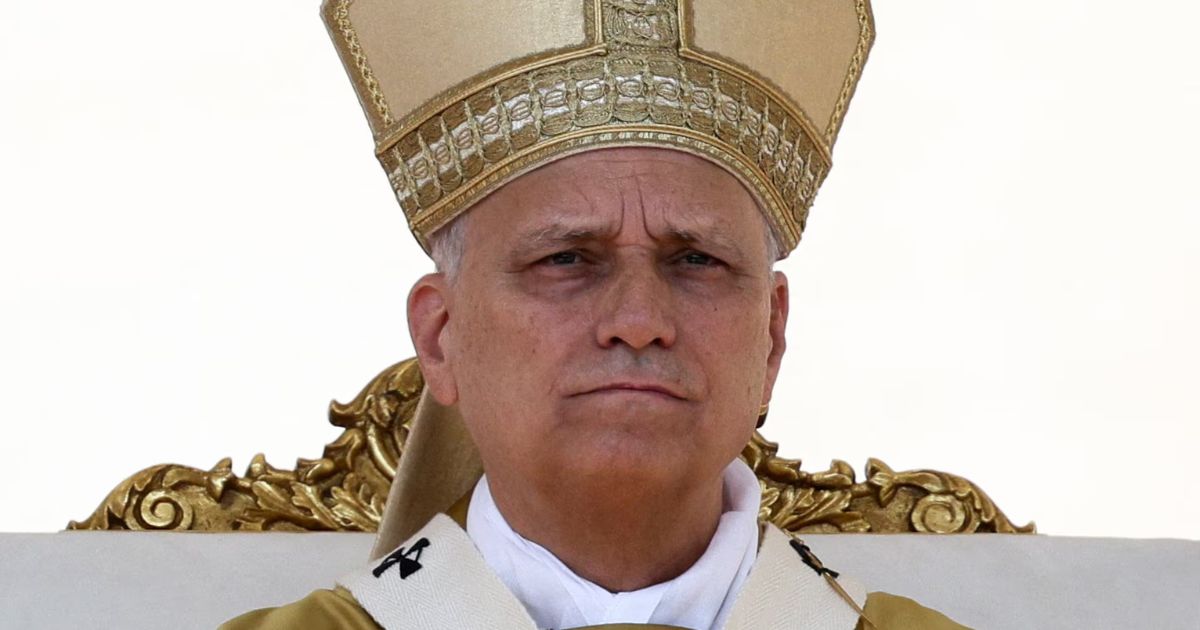
Donald Trump has sharply criticized Pope Leo XIV, labeling him “weak on crime” and raising concerns about his approach to foreign policy, notably in relation to potential conflict involving Iran, according to reports from The New York Times.
The Pope, for his part, has continued to press for peace, asserting that genuine moral leadership necessitates addressing the harms of war and the resulting human suffering.
JD Vance, a Catholic convert, has aligned himself with the administration by proposing that the Vatican should “stick to matters of morality” while elected officials manage policy decisions, as detailed in coverage by Fox News.
This development centers on the fundamental issue of distinguishing moral authority from political authority. Political figures maintain that matters of governance, particularly those involving foreign policy and military choices, must reside with elected representatives who answer to the electorate. In contrast, the Catholic Church has long regarded discussions of war, peace, and human dignity as integral to its moral obligations. The Pope believes that failing to speak out in these areas would go against the duties of spiritual leadership.
Further fuel was added to the controversy through an AI-generated image shared by Trump that showed him in a Christ-like manner. This move drew condemnation from religious communities, with some labeling it as inappropriate or offensive, according to Reuters. Supporters, however, frequently view such content as satirical or a form of political expression instead of a direct claim.
The broader public response underscores a clear split. Those who back Trump often interpret his words and deeds as displays of strength, humor, or firmness. Opponents, by comparison, see the approach toward a religious leader as unduly confrontational and disrespectful. Within religious groups, perspectives vary, as some uphold the Pope’s emphasis on moral principles while others believe the Church should steer clear of influencing politics directly.
What renders this development particularly striking is its rarity in history. An open and direct confrontation between a U.S. president and a sitting pope—especially one from the same country—remains uncommon and reflects profound cultural and political rifts.
Intersecting Realms of Power and Principle
In essence, neither perspective can claim complete rightness or wrongness; instead, the situation arises from differing responsibilities. Leaders in politics emphasize the nation’s interests, its security, and the management of policies. Those in religious roles prioritize ethical considerations, the impact on individuals, and the lasting effects on moral standards. Such overlaps, especially amid war or crisis situations, make conflict nearly unavoidable.
In this way, the event illustrates the ongoing interplay of power, belief, and duty in today’s public sphere. Approached with neutrality, the pivotal matter is not about volume or influence but whether political choices ought to be isolated from moral review or if their connection is fundamental by design.